

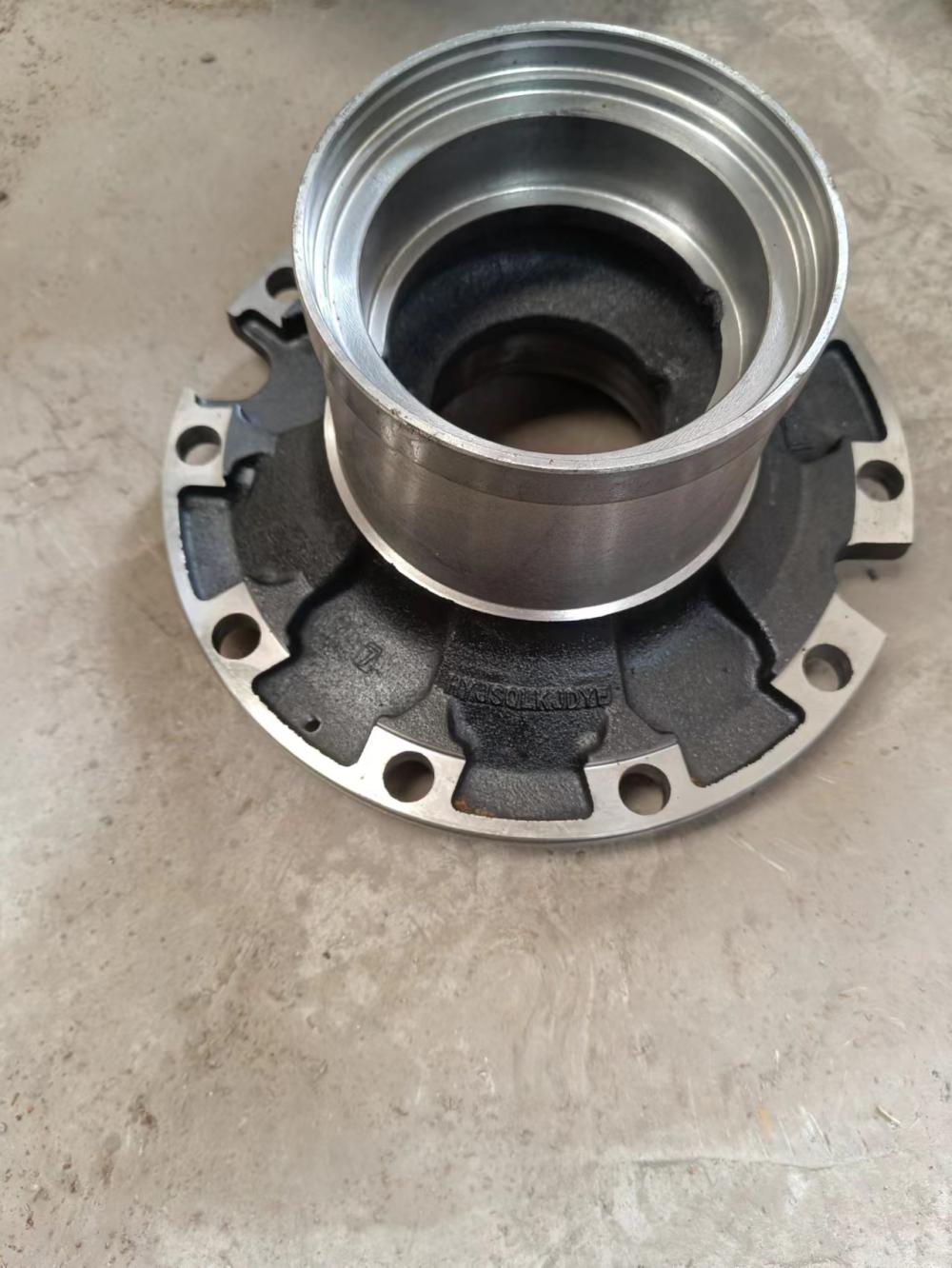
In the 1950s,manufacturers began using alloyed cast iron for brake drums.This new material improved the heat dissipation and reduced the weight of the drum,resulting in enhanced braking performance.As the automotive industry developed,manufacturers experimented with different materials like steel and aluminum to further enhance the efficiency of brake drums.
Functionality of Brake Drums:Brake drums play a crucial role in converting the vehicle's kinetic energy into heat energy,ultimately stopping the vehicle.Their functionality relies on several key components and principles.
Brake Shoes or Pads:Brake shoes or pads are pressed against the brake drums when the brakes are applied.The friction generated between the shoes and the drums slows down the rotation of the wheels,eventually stopping the vehicle.These shoes are typically made of high-friction materials like asbestos,carbon composite,or ceramic.
Heat Dissipation:Brake drums are designed to dissipate the heat generated during braking.Excessive heat can cause brake fade,reducing the braking efficiency.Brake drums are engineered with fins or cooling vents to allow airflow and heat dissipation,preventing damage to the braking system.
Mechanical Advantage:The brake drums,along with the brake shoes,provide a mechanical advantage to the braking system.When the brake pedal is pressed,the force is multiplied within the brake system,allowing for efficient deceleration of the vehicle.This mechanical advantage is crucial for ensuring safe and predictable braking.